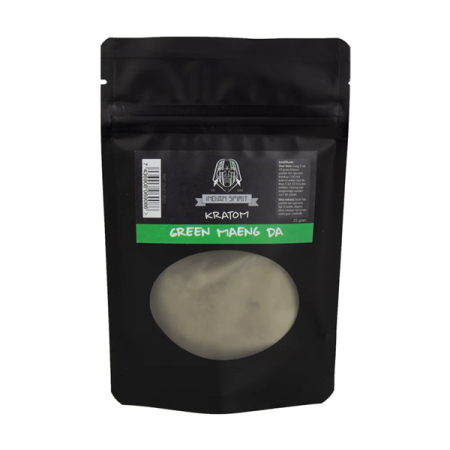
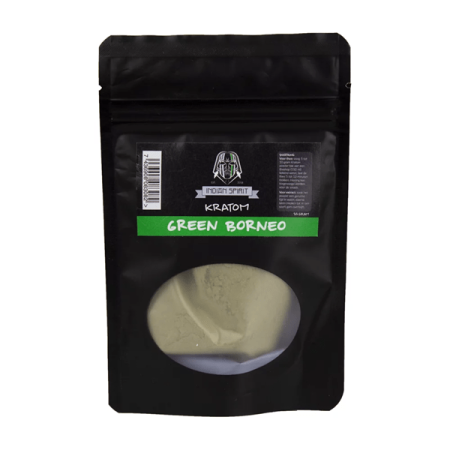
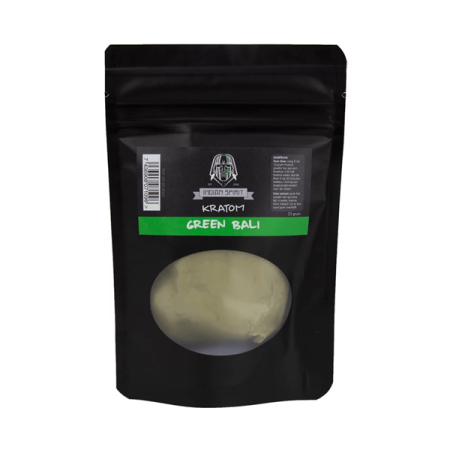
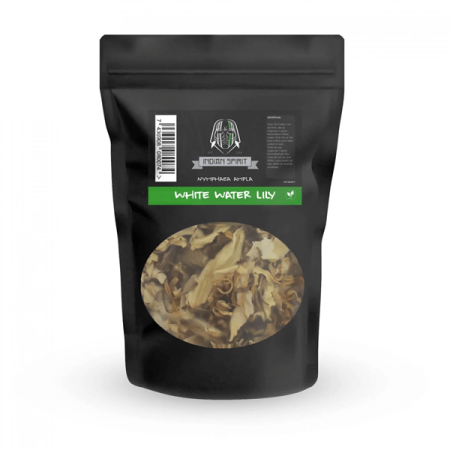
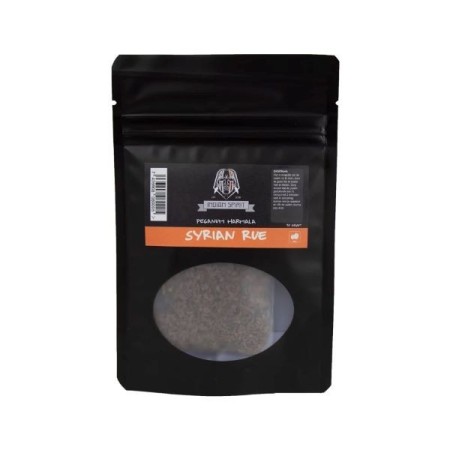
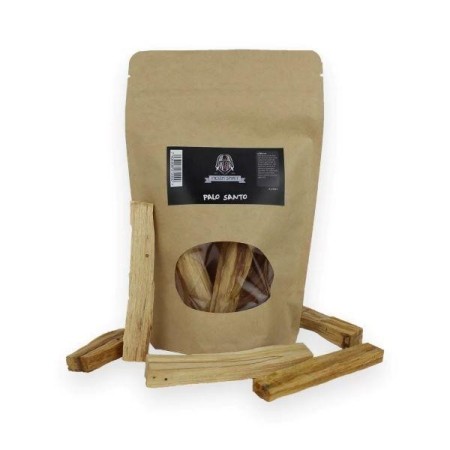
Our Trip Herbs provide a natural way to explore your consciousness and gain new experiences. With products like Ololiuhqui and Opium Poppy , selected for their quality and potency, we offer a safe way to enrich your mind and broaden your horizons.
💡 Frequently Asked Questions
What types of herbs are available and what are their traditional uses?
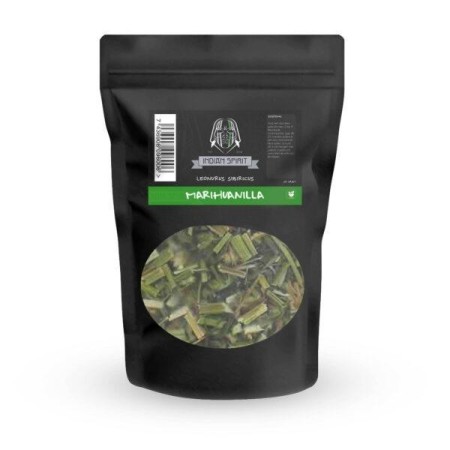
The herbs category includes traditional ethnobotanical plants like Mexican Tarragon, Damiana, Blue Lotus, Mugwort, and other dream-enhancing or relaxation herbs. These plants have been used historically for aromatherapy, dream enhancement, meditation, relaxation, and traditional wellness practices in various cultures worldwide.
What's the difference between herb extracts and shredded herbs?
Herb extracts are concentrated forms (like 10x extract) where active compounds are concentrated, making them more potent than raw material. Shredded herbs are the dried, whole plant material that can be used for teas, aromatherapy, or traditional preparations. Extracts offer convenience and potency, while shredded herbs provide traditional experiences.
How should I store herbs and extracts to maintain their potency?
Store herbs and extracts in airtight containers in cool, dark, and dry places to preserve potency and prevent degradation. Avoid exposure to heat, light, and moisture which can reduce effectiveness. Most herbs maintain quality for 1-2 years when properly stored, while extracts may have longer shelf lives due to their concentration.
Are these herbs safe to use and are there any precautions?
Most traditional herbs are generally safe when used responsibly and in moderation. However, individual reactions can vary, and some people may be sensitive to certain plants. Always research specific herbs, start with small amounts, consult healthcare providers if you have medical conditions, and avoid use during pregnancy or while taking medications.
How do I properly prepare and use ethnobotanical herbs?
Preparation methods vary by herb and intended use. Common methods include making teas with hot water, using for aromatherapy by burning or vaporizing, creating tinctures, or following traditional preparation methods specific to each plant. Always follow recommended dosages and preparation instructions for each specific herb.
What is the legal status of ethnobotanical herbs in European countries?
Most traditional herbs and ethnobotanicals are legal in European countries when sold for aromatherapy, botanical research, or traditional uses. However, some plants may have restrictions in certain countries. Always verify local laws as regulations can vary between EU member states and may change over time.
Are there restrictions on importing herbs between European countries?
Most dried herbs can be freely shipped between EU member states under standard plant product regulations. However, some countries may have specific restrictions on certain botanical species. When importing from outside the EU, phytosanitary certificates may be required, and some herbs might face customs scrutiny or restrictions.