









Enter the fascinating world of rare button cactus cultivation with the Fricii Lophophora Fricii Cactus Grow Kit - a comprehensive cultivation package that enables European enthusiasts to grow one of the most variable and scientifically intriguing members of the Lophophora genus. This professional Fricii growing kit combines premium seeds, specialized growing materials, and expert cultivation guidance developed specifically for this remarkable and morphologically diverse desert species.
The Fricii cactus (Lophophora Fricii) represents one of the most fascinating variations within the button cactus family, renowned for its exceptional morphological variability and tendency to develop into large, multi-ribbed specimens. This cactus grow kit provides everything necessary to successfully cultivate this remarkable desert species from seed to mature specimen, celebrating both its botanical uniqueness and conservation importance.
The Fricii cultivation experience represents advanced specialized desert cactus horticulture, addressing the unique challenges of growing one of the most morphologically variable cactus species known to science. This complete growing kit eliminates the complexities of variable cactus cultivation by providing professionally selected seeds, optimal growing medium, and comprehensive instructions developed through extensive expertise with rare Lophophora species.
Each Fricii grow kit contains premium seed stock sourced from authenticated Mexican desert specimens, ensuring genetic diversity and the characteristic variability that makes this species so fascinating to cultivators and botanists. The specialized desert growing medium replicates the extremely well-draining, mineral-rich soils of the Mexican desert regions where Lophophora Fricii naturally occurs in scattered populations.
European growers particularly value the kit's scientific approach to Fricii propagation, which addresses the species' unique tendency toward morphological variation and the specific environmental conditions required to support healthy development of this variable species. The included materials support cultivation through all development phases, from initial germination through the remarkable structural diversity that emerges as plants mature.
The Lophophora Fricii cultivation process requires understanding of specialized variable cactus biology, including the species' unique tendency to develop different rib patterns, coloration variations, and growth forms even within single populations, making each plant a unique botanical specimen.
Key cultivation advantages include:
Fricii cactus occupies a unique position within the Lophophora genus, representing one of the most morphologically variable and scientifically intriguing species in the button cactus family. The species demonstrates remarkable plasticity in form, with individual plants capable of developing anywhere from 5 to 21 ribs and achieving sizes significantly larger than other Lophophora species.
The taxonomic history of Lophophora Fricii reflects ongoing botanical research into the complex relationships within the Lophophora genus, with this species distinguished by its exceptional morphological variability and tendency to develop into impressive multi-ribbed specimens. European botanical collections particularly value Fricii specimens for their scientific interest and the remarkable diversity of forms that can emerge from single seed populations.
Modern Fricii cultivation serves both botanical research and conservation purposes, allowing European growers to maintain genetic diversity of this remarkable species while contributing to scientific understanding of morphological variation in desert cacti. The species' extreme variability makes it particularly valuable for researchers studying adaptive plasticity in extreme environments.
The Lophophora Fricii growing experience offers European cultivators insight into the remarkable adaptive strategies that enable desert cacti to thrive in extreme environments, demonstrating how morphological flexibility contributes to species survival in harsh desert conditions.
Successful Fricii cultivation requires understanding the complex biological processes that govern morphological variation in desert button cacti. Lophophora Fricii exhibits remarkable developmental plasticity, with environmental conditions significantly influencing the final form, rib count, and overall appearance of mature specimens.
The Fricii cactus demonstrates the longest growth timeline among Lophophora species, often taking 3-5 years to reveal its ultimate morphological characteristics. The species' exceptional variability means that no two plants are identical, with each specimen developing unique combinations of rib patterns, coloration, and overall form that reflect both genetic potential and environmental influences.
European cultivators must adapt their growing techniques to accommodate the cactus's extremely slow growth rate and the need for consistently stable conditions that support long-term development. The species requires exceptional patience, as the most impressive morphological characteristics often don't emerge until plants reach several years of age.
Professional Fricii growing emphasizes the importance of maintaining consistent environmental conditions throughout the extended development period, as environmental stress can significantly impact the final morphological characteristics that make this species so remarkable. The species' slow development means that cultivation success is measured in years rather than months.
At Smart Lovers Smartshop, we specialise in rare button cactus cultivation, morphologically variable plant specimens, and specialized desert cactus growing that showcases the remarkable diversity within the Lophophora genus. Our comprehensive selection includes rare button cacti, specialized desert growing equipment, variable cactus cultivation supplies, and expert guidance for successful rare desert cactus cultivation.
We understand the unique requirements of variable cactus cultivation and provide carefully curated products that support both morphological development and long-term plant health.
European rare cactus cultivation support:
Ready to begin your rare button cactus cultivation journey? Explore our variable cactus collection and discover the art of morphologically diverse desert cactus growing!
Fricii seeds typically achieve 65-80% germination rates when provided with optimal conditions including proper temperature (20-25°C), minimal moisture, and extremely well-draining sterile growing medium.
Fricii morphological characteristics develop very slowly over 3-5 years, with the most distinctive features like final rib count and overall form not becoming apparent until plants reach maturity.
Fricii is distinguished by its exceptional morphological variability, potential for developing up to 21 ribs, larger mature size, and remarkable diversity of forms within the species.
Yes, Fricii cacti can be successfully grown indoors with bright light, excellent ventilation, minimal watering, and exceptional patience for their extremely slow development process.
Growing Fricii cacti for scientific and ornamental purposes is legal in most European countries, though regulations vary by nation. Check local laws and focus on botanical research and conservation.
The Peruvian Torch Cactus Grow Kit provides everything you need to grow this impressive cactus at home. Includes high-quality seeds, nutrient-rich potting soil, and a stylish pot. Discover the unique features of this fast-growing cactus, known for its graceful appearance and historical significance.
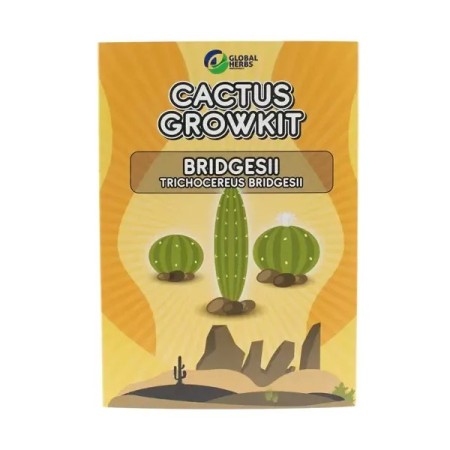
The Bridgesii Cactus Grow Kit provides everything you need to grow this impressive cactus at home. Includes high-quality seeds, nutrient-rich potting soil and a stylish pot. Discover the unique features of this fast-growing cactus, known for its graceful appearance and historical significance.
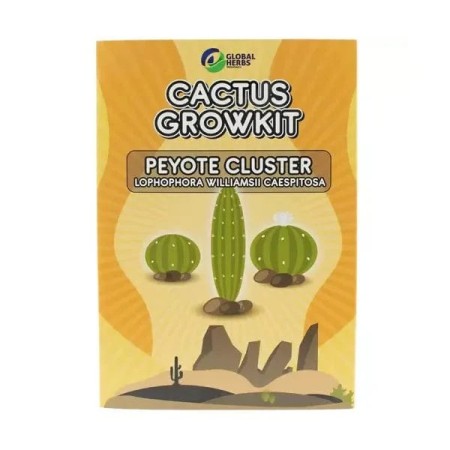
The Peyote Cactus Grow Kit provides everything you need to grow this special cactus at home. Includes high-quality seeds, nutrient-rich potting soil and a stylish pot. Discover the unique properties of this historic cactus, known for its cultural significance and special substances.
The Cactus Grow Kit with Macrogonus offers everything you need to grow this impressive cactus at home. Including high-quality seeds, nutrient-rich potting soil and a stylish pot. Discover the unique features of this robust cactus, known for its graceful appearance and historical significance.
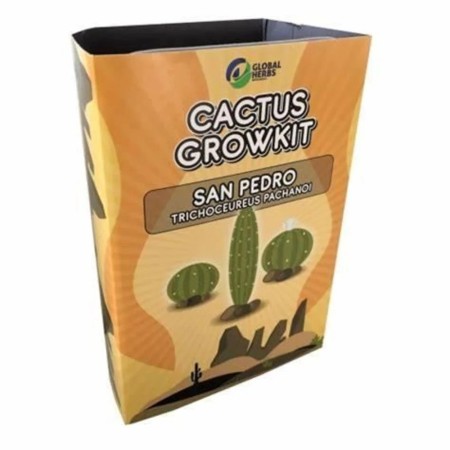
The San Pedro Cactus Grow Kit provides everything you need to grow this impressive cactus at home. Includes high-quality seeds, nutrient-rich potting soil, and a stylish pot. Enjoy growing this fast-growing cactus, known for its graceful appearance and historical significance.
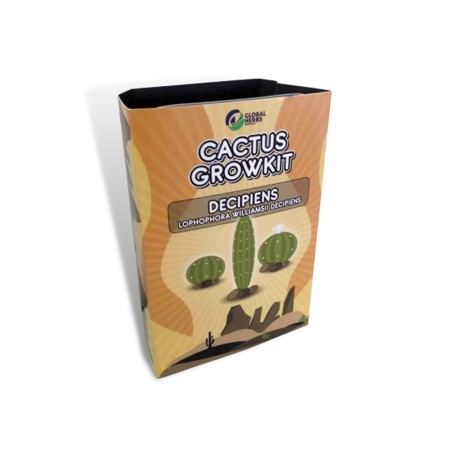
The Cactus Grow Kit with Decipiens offers everything you need to grow this unique cactus at home. Including high-quality seeds, nutrient-rich potting soil and a stylish pot. Discover the special characteristics of this rare cactus, known for its graceful appearance and cultural significance.
At Smart Lovers, we place great importance on compliance with laws and regulations. All our products are sold exclusively for legal purposes and must not be used in violation of the law. Cannabis seeds are sold as collectible items and souvenirs. The legal status of cannabis seeds, cultivation, and related products varies significantly between countries and jurisdictions. Always check the regulations applicable in your country before making a purchase. By placing an order, you confirm that you are at least 18 years old and familiar with the legislation applicable to your location. Smart Lovers is not responsible for use that violates these laws. We deliver cannabis, hemp, mushroom, and smartshop products within the boundaries of applicable legislation. When in doubt, we recommend seeking legal advice.